Aspiration & Achievement
Harmonizing institutional heritage and innovation in a contemporary, collaborative environment supporting research and inquiry to increase student and faculty recruitment and retention.
RECOGNITION
2024 AIA Spokane Design Awards, Citation Award (Unbuilt)

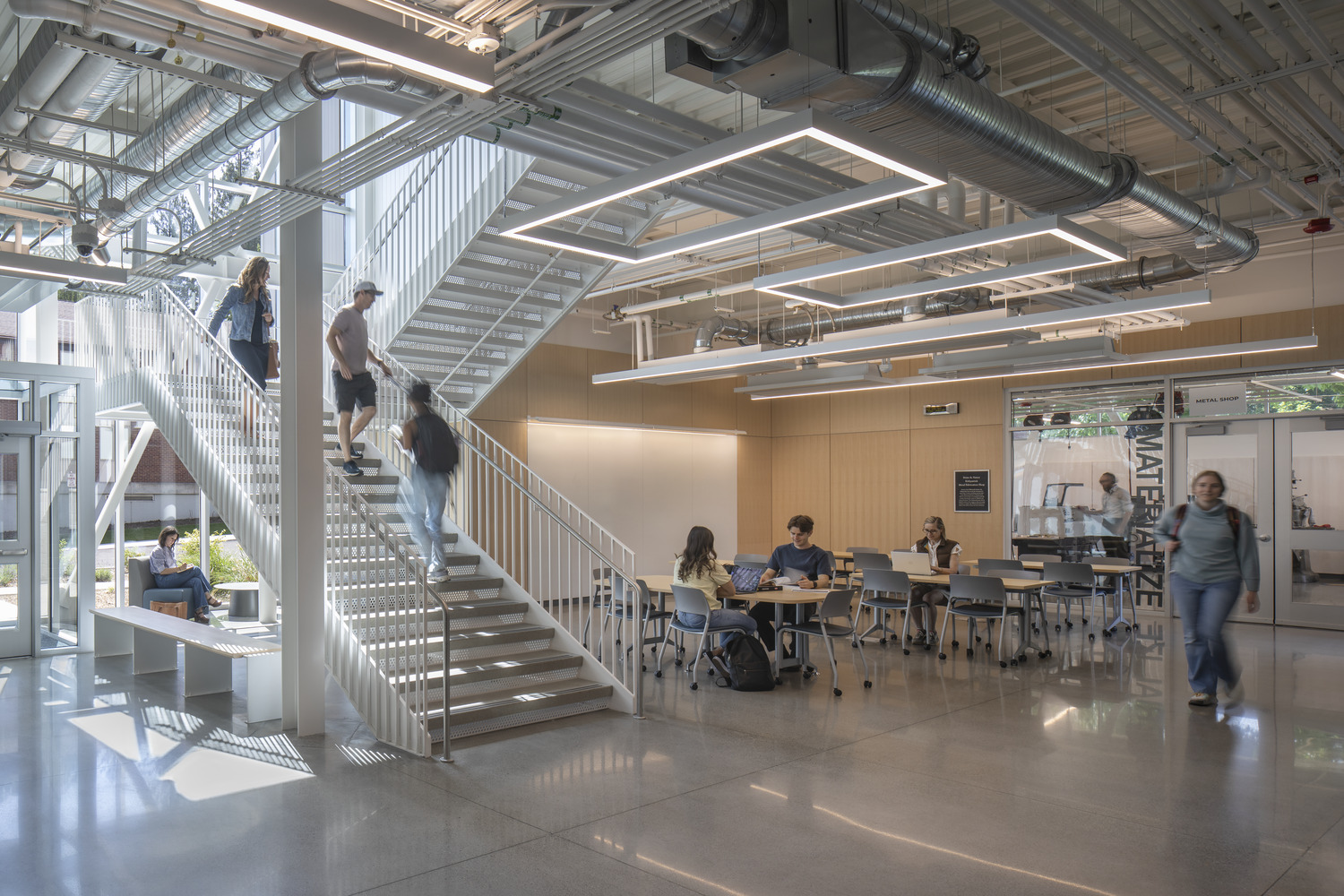
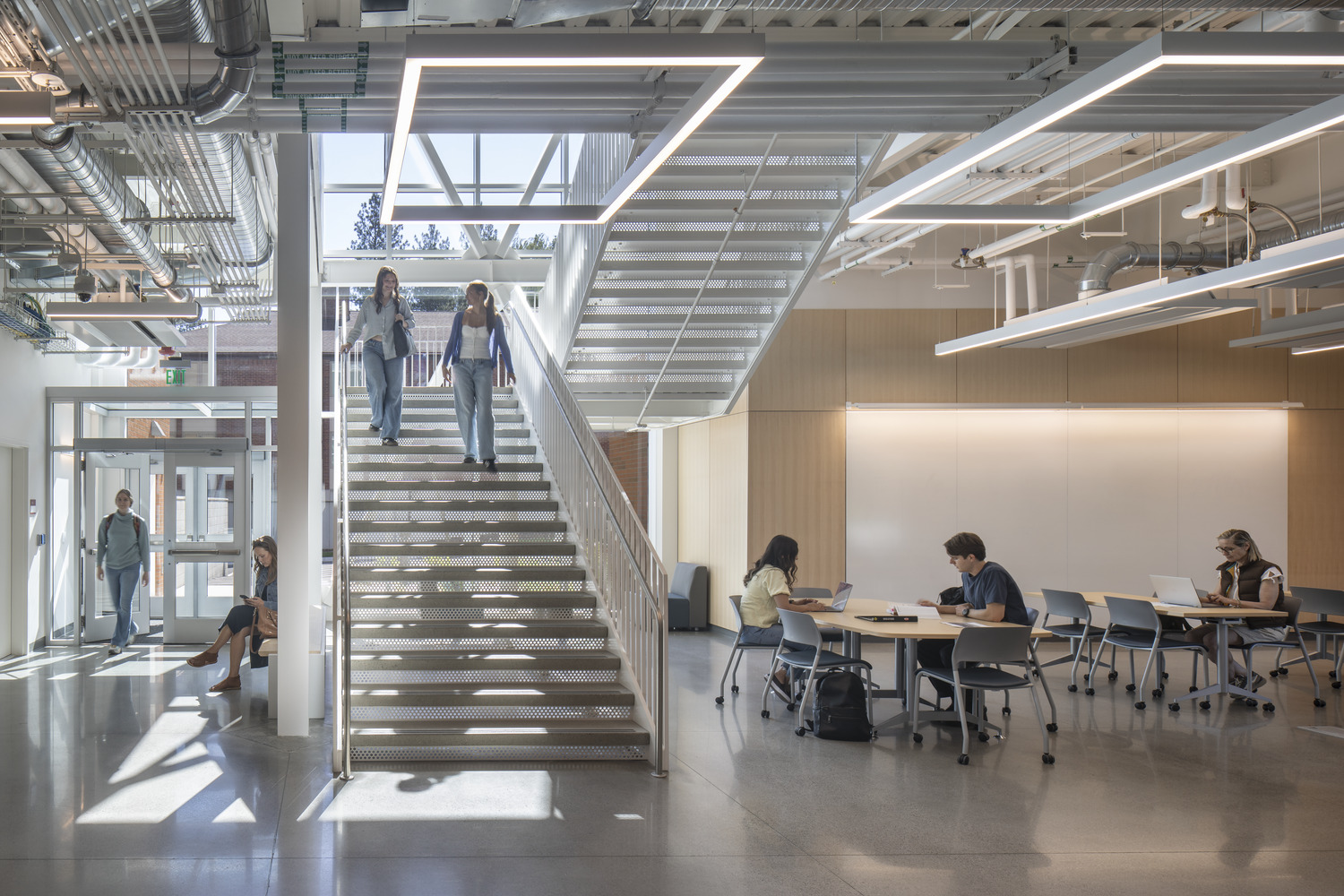
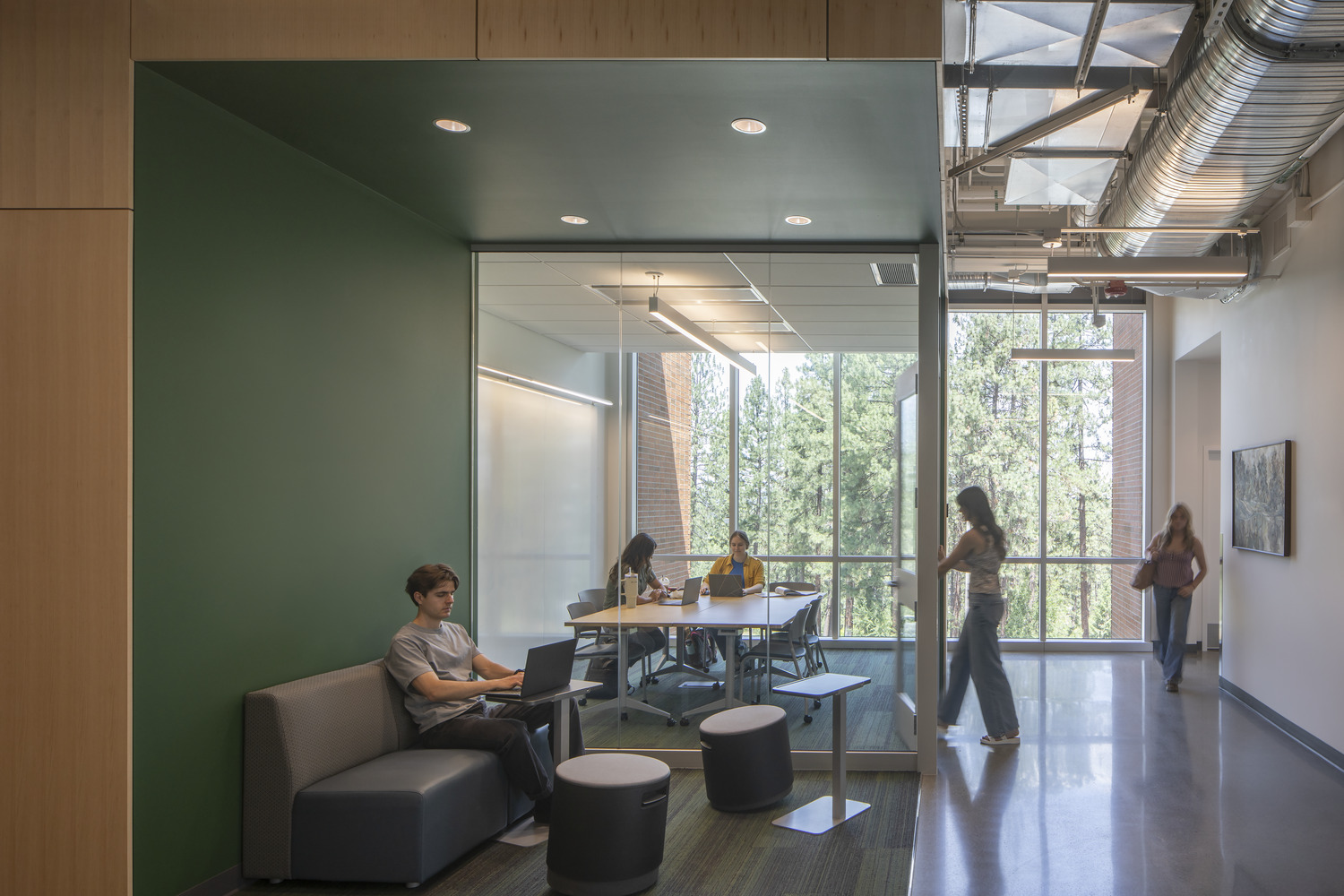
"The character of a building can easily get lost in a campus context. Here we carved out a place where people will want to be—from engaging classrooms to inviting spaces to catch up on reading or connect with friends—reminiscent of favorite spaces I enjoyed in my university days.
Seeing that atmosphere flourish in a building design I worked to achieve—to give others that same experience—is indescribable."
Jason Bond
Project Manager
PROJECT DETAILS
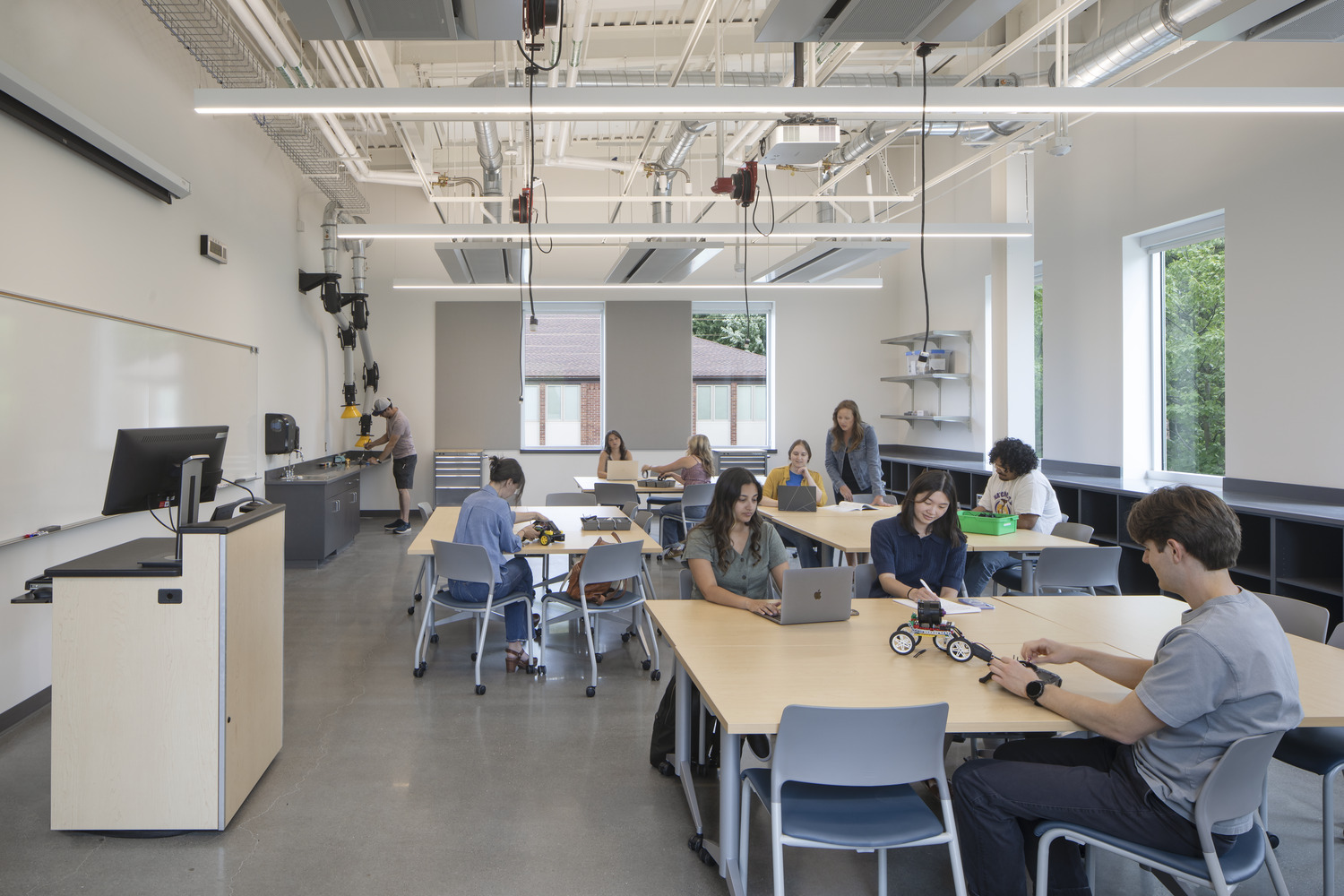
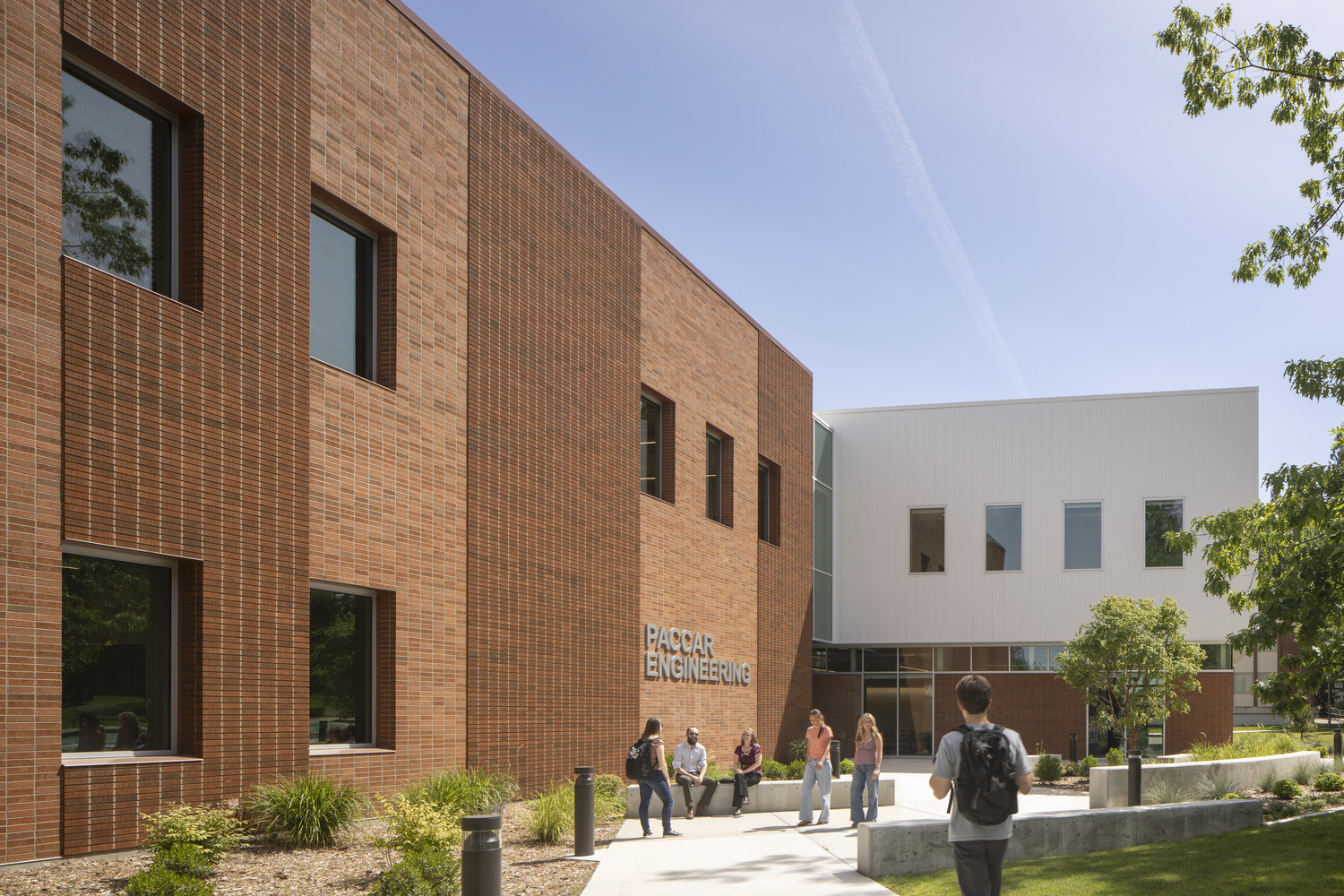
The PACCAR Engineering Building now stands as a beacon of innovation on the Whitworth University campus, reflecting the university’s commitment to expanding opportunities in science and engineering while remaining grounded in its liberal arts tradition. The approximately 21,000-square-foot facility was designed to support the diverse interests and career aspirations of students by providing a dynamic environment where research, inquiry, and hands-on learning are integral to the educational experience.
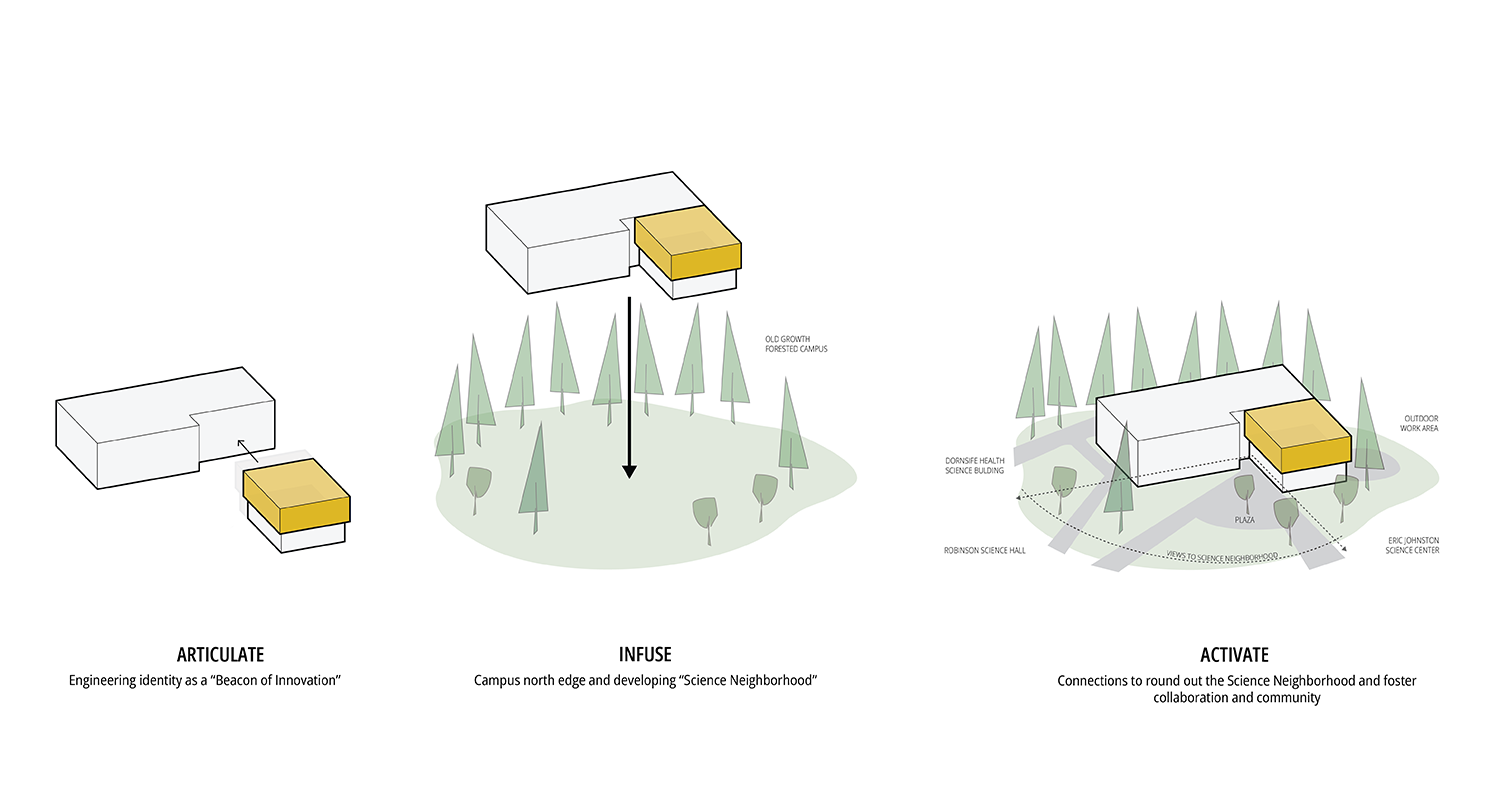
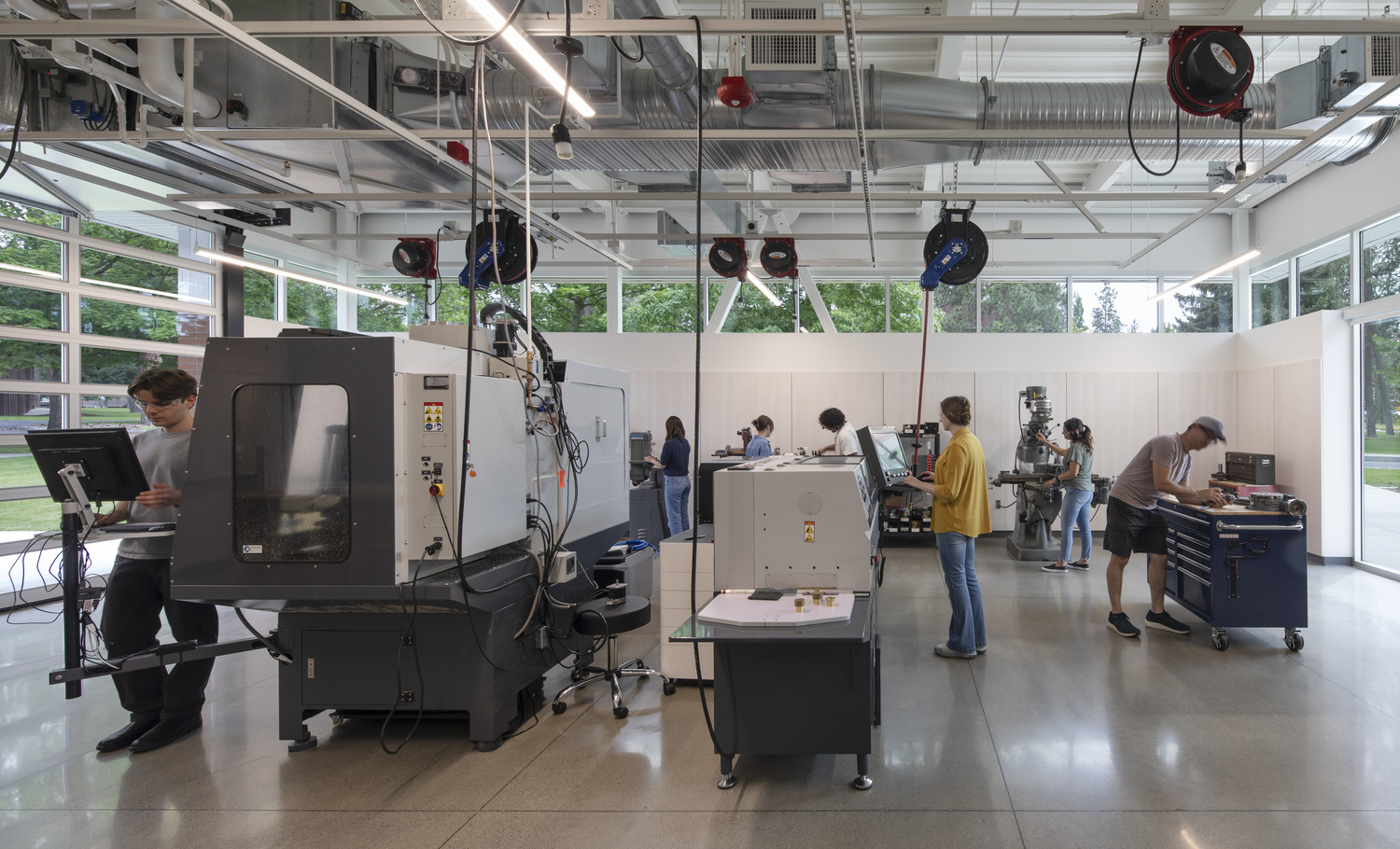
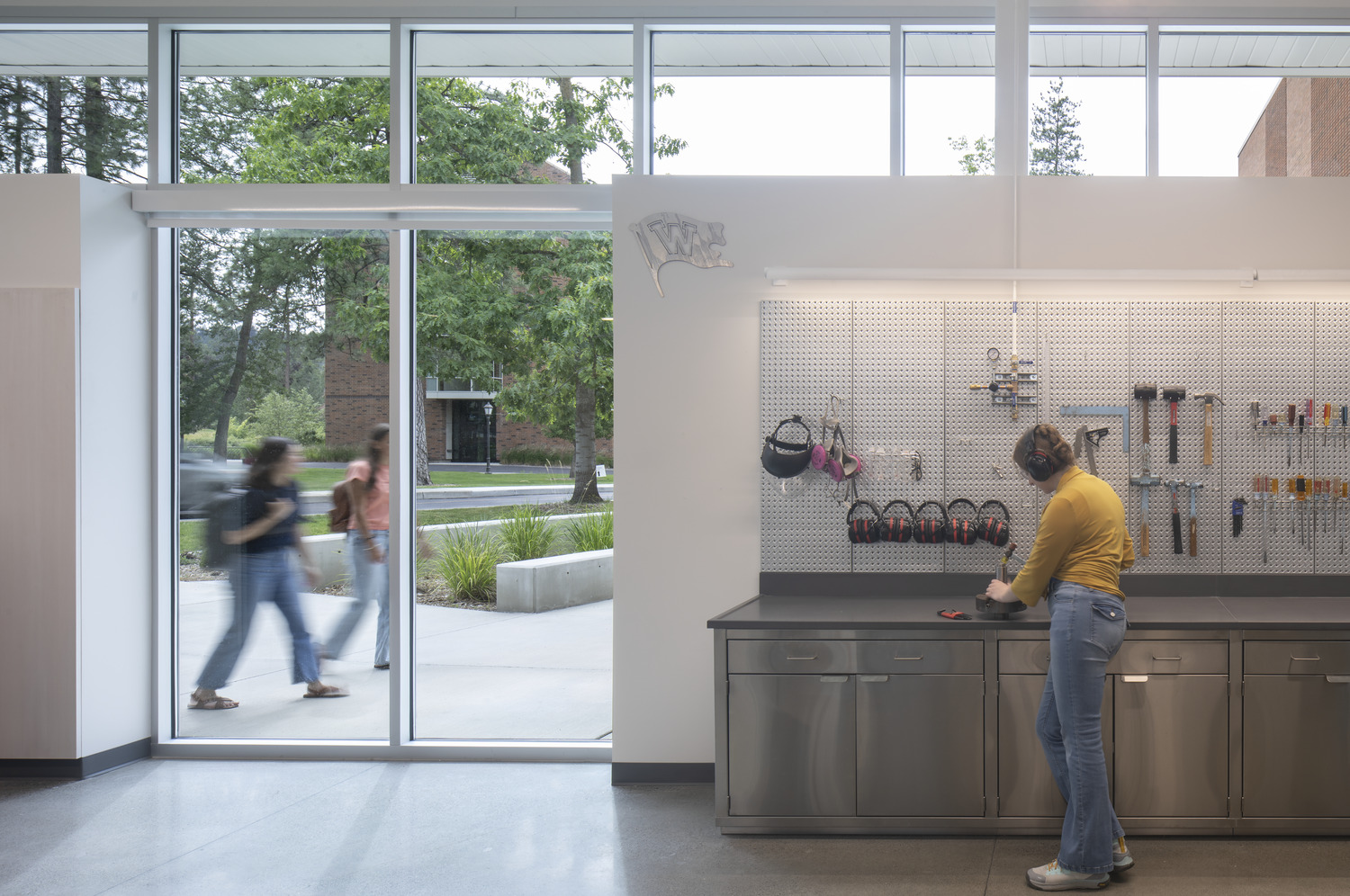
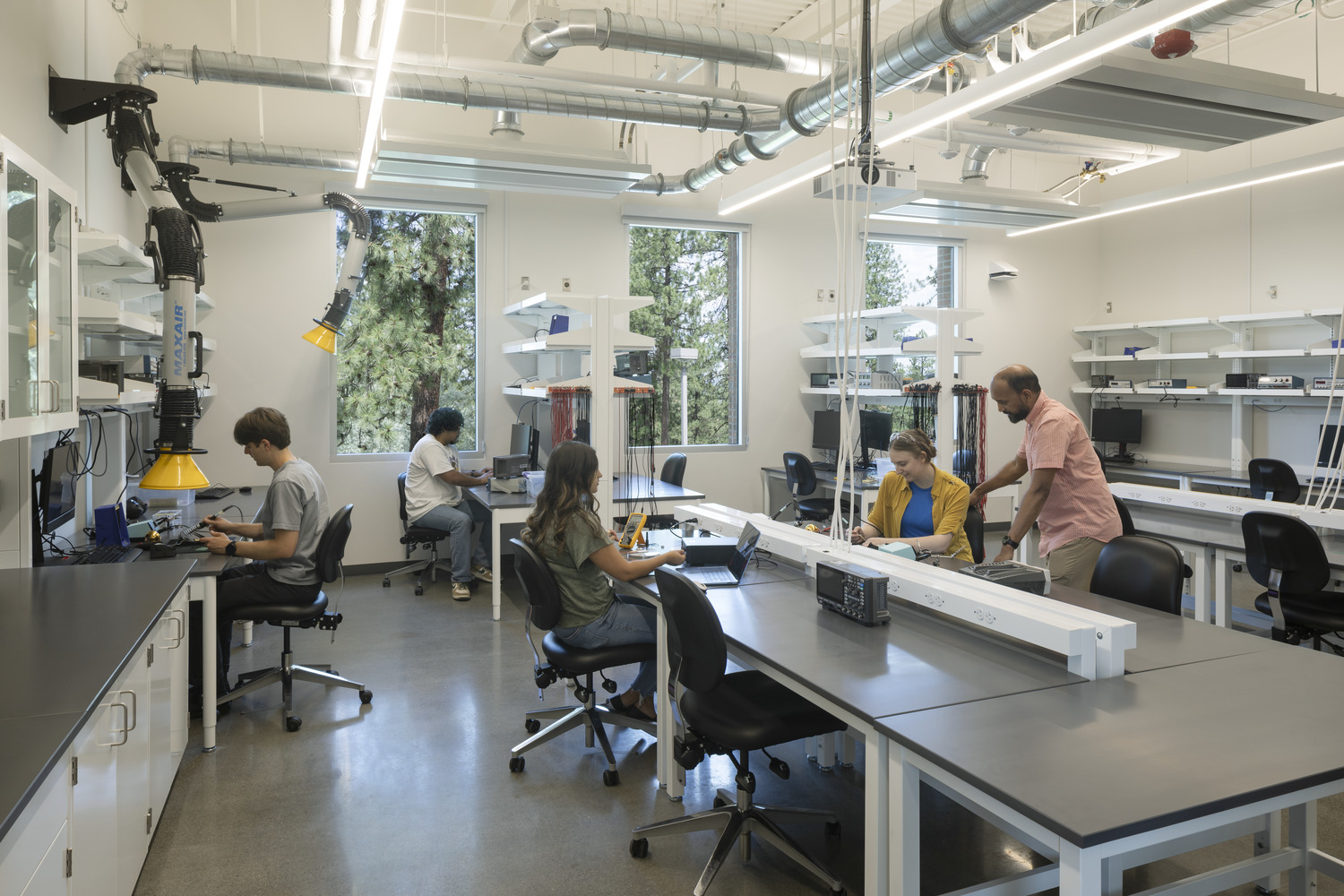
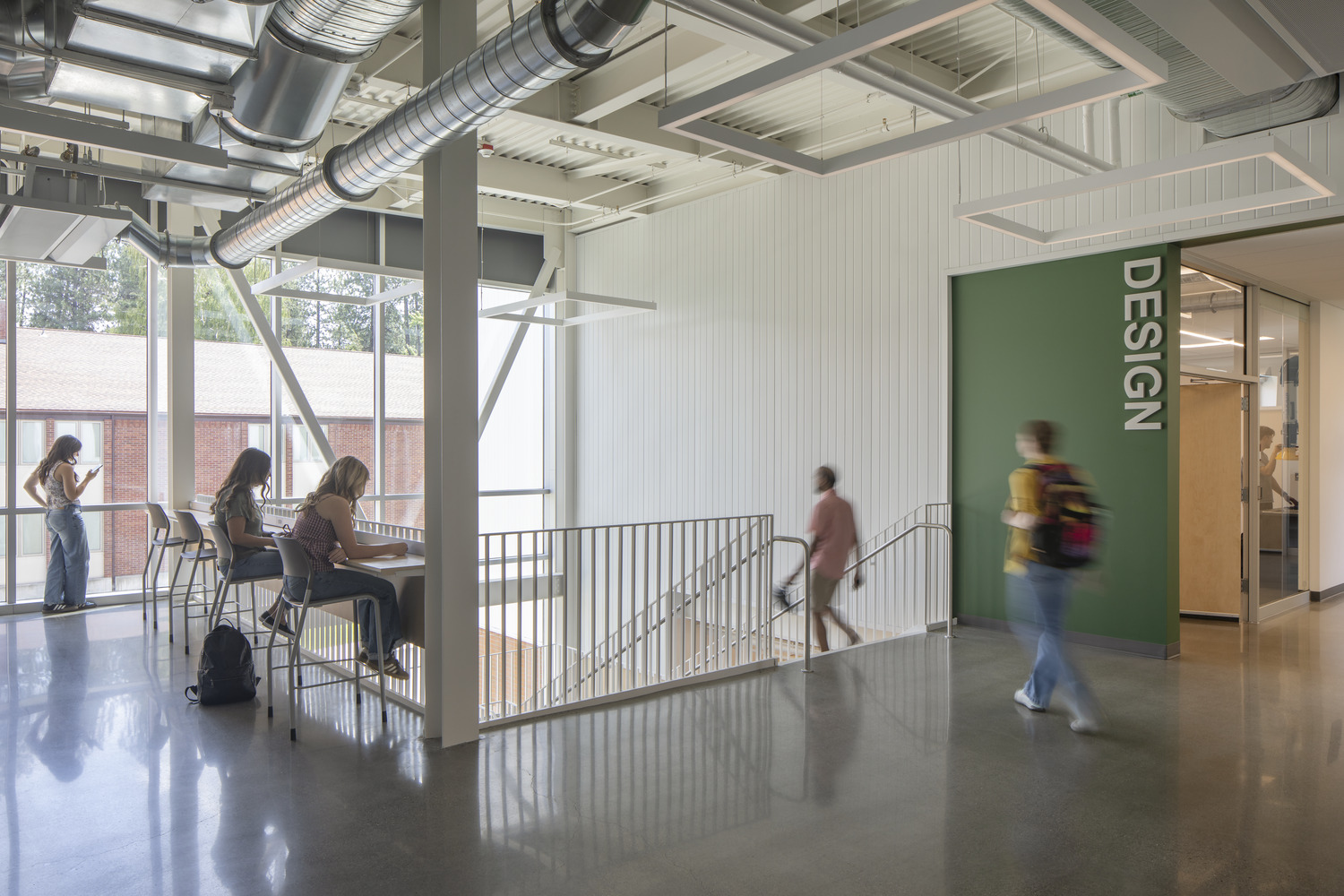
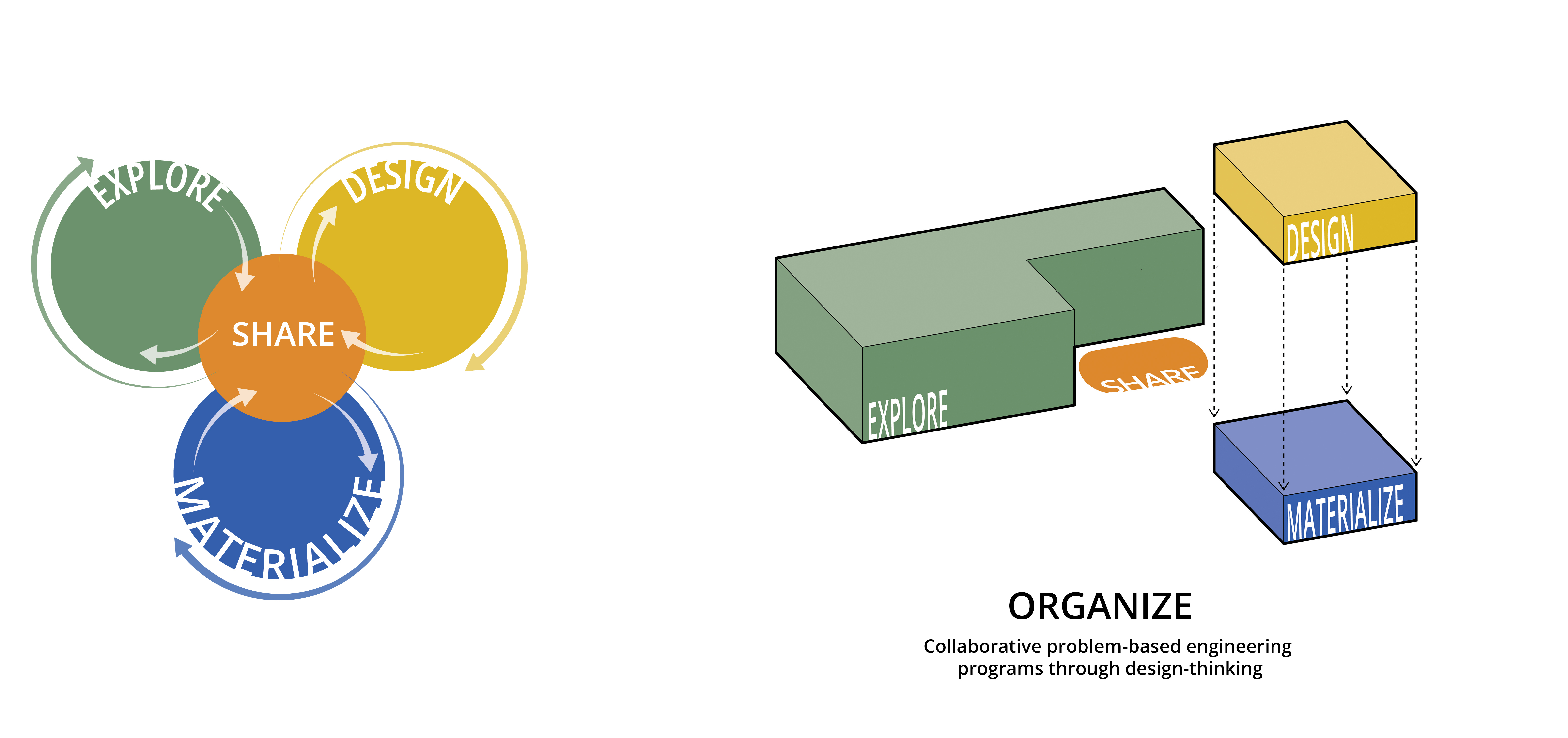
Located along the wooded northern edge of campus, the building joins three existing science facilities, strengthening Whitworth’s growing science neighborhood and establishing a distinct identity for the engineering program. Throughout the facility, spaces are organized around three key phases of the design-thinking process: Explore, Design, and Materialize. Instructional spaces, research labs, and administrative areas support exploration and discovery, while design labs and a prototype lab foster innovation and problem-solving. A metal fabrication shop provides opportunities to bring ideas to life through hands-on making and experimentation.
Recognizing the importance of collaboration throughout every stage of the design process, the building also includes a Test and Demonstration Space that serves as a central hub for project testing, faculty demonstrations, collaborative work, and community engagement.
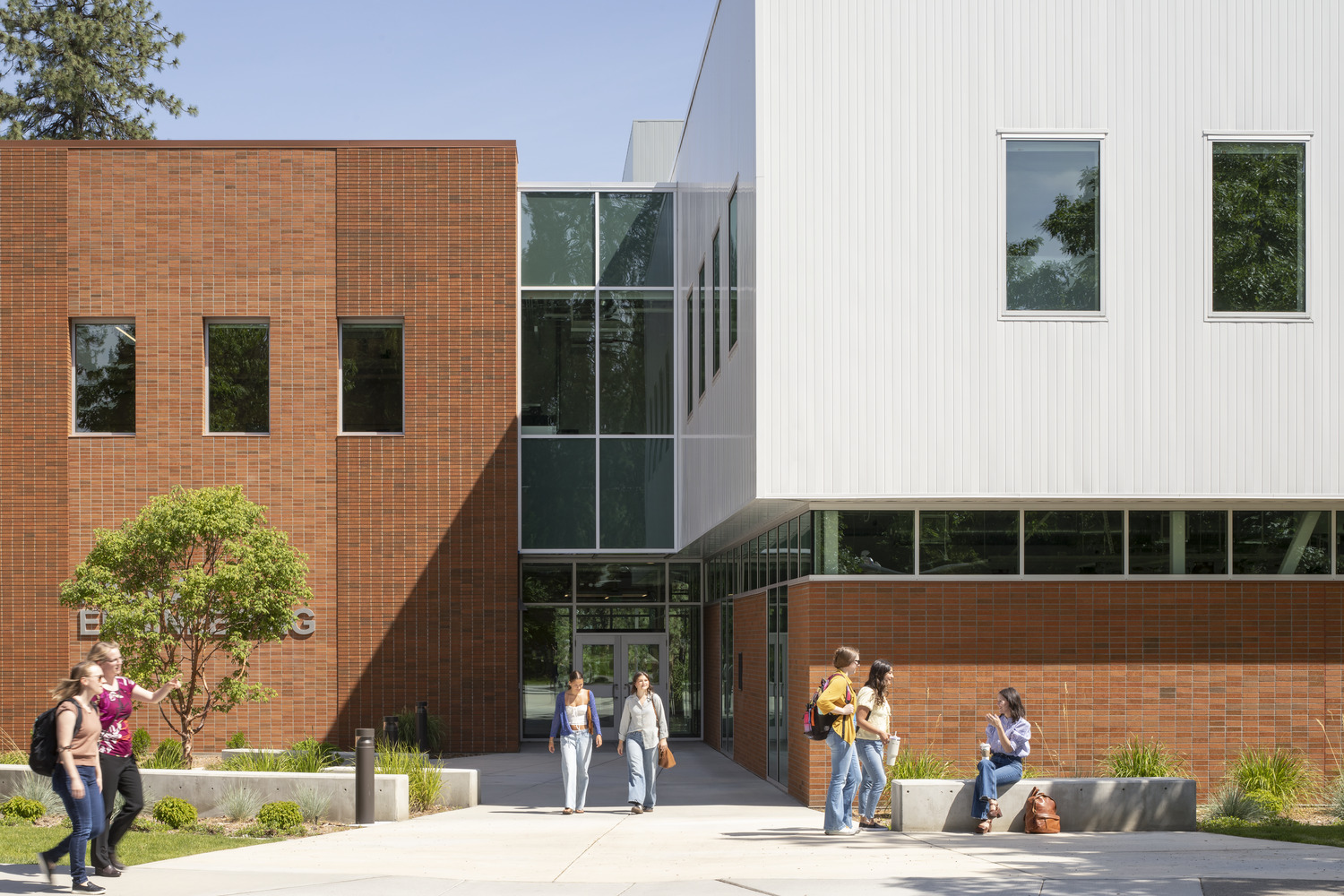
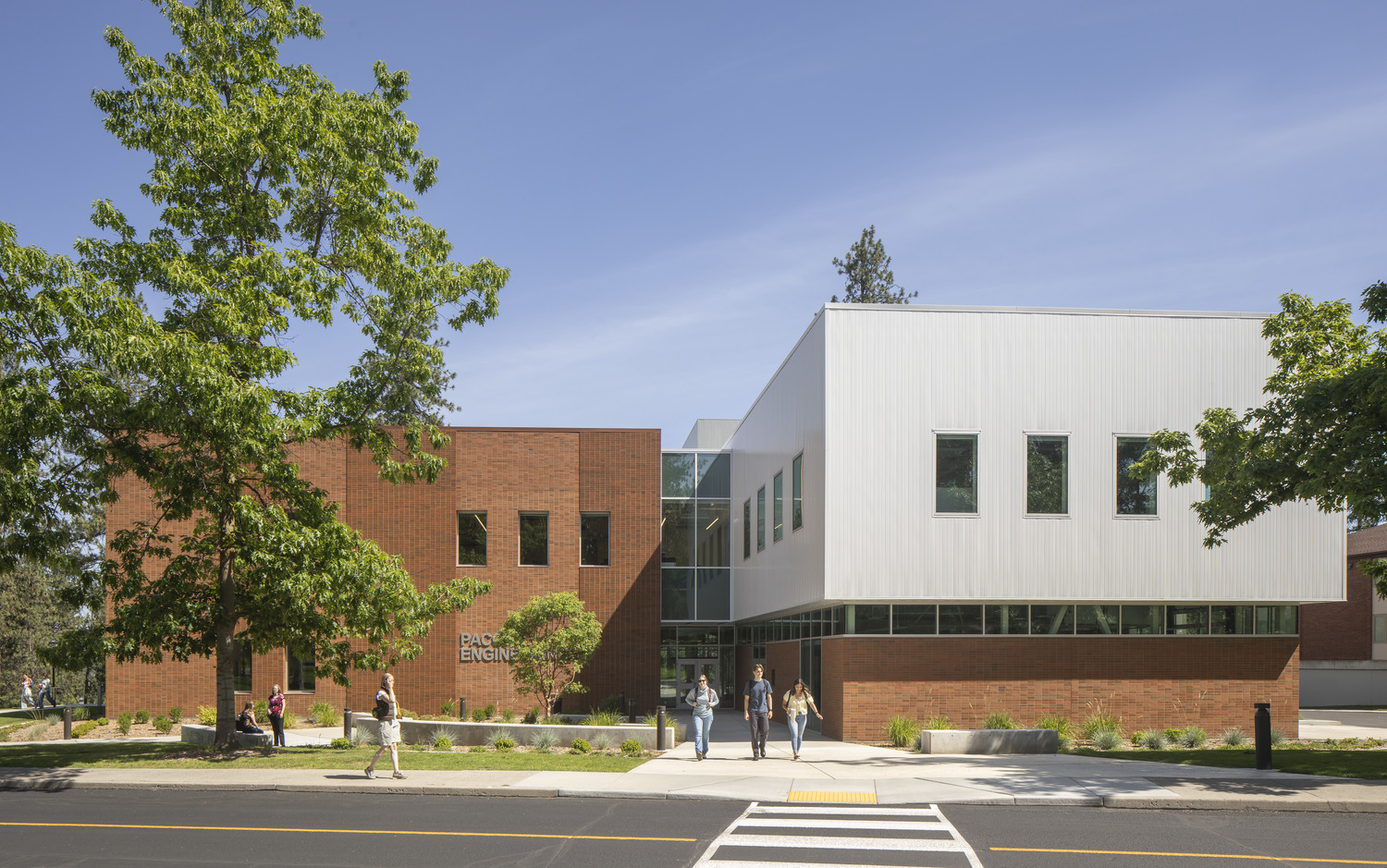
Architecturally, the building is composed of two distinct masses connected by transparent glass elements. The larger wing responds to Whitworth’s established campus character with patterned brick and carefully placed punched openings, while the smaller wing expresses the forward-looking nature of engineering through expansive glazing and white metal panels. Together, these forms create a memorable presence on campus, giving the engineering program a visible home while fostering a sense of community, pride, and innovation for students, faculty, and future generations of engineers.